Understanding the psychology behind gambling What drives the thrill
The Allure of Risk and Reward
The psychology of gambling is deeply rooted in the human desire for risk and reward. This thrill-seeking behavior is influenced by our biological wiring. The anticipation of winning releases dopamine, a neurotransmitter associated with pleasure. This chemical reaction creates a feeling of excitement, drawing individuals to engage in gambling activities repeatedly, even in the face of potential losses. One prime example of this is the Lizaro licensed casino, which encapsulates the thrilling nature of gaming.
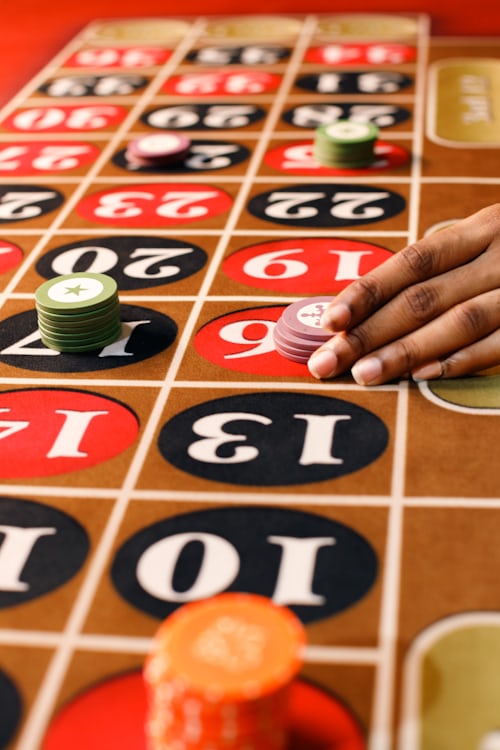
Moreover, the allure of significant financial gain can overshadow the risks involved. Many gamblers believe they can beat the odds, often underestimating the house edge. This cognitive bias, known as the illusion of control, leads players to think they can influence outcomes despite the randomness inherent in games of chance.
The Role of Cognitive Dissonance
Cognitive dissonance plays a vital role in the gambling experience, especially when players encounter losses. To alleviate the discomfort of conflicting thoughts—like wanting to win but facing continual losses—gamblers often rationalize their decisions. This might involve telling themselves that their luck will change or that they simply need to play a little longer to win back their losses.
This psychological mechanism not only keeps players invested in the game but also increases the likelihood of continued gambling. The need to justify losses can trap individuals in a cycle, making it harder to walk away from the activity, despite accumulating debts or losses.
Gambling is often glamorized in popular culture, portrayed as a glamorous and exciting activity. This societal acceptance can further fuel an individual’s desire to gamble. Movies, television, and advertising frequently depict winners living lavish lifestyles, creating a skewed perception of the reality of gambling.
Additionally, social environments can influence gambling behavior. People are more likely to gamble when they are in groups or surrounded by others who partake. This collective behavior often downplays the risks involved and reinforces the thrill associated with gambling, making it appear more acceptable and enticing.
The Impact of Technology on Gambling Psychology
The rise of online gambling platforms has transformed how individuals engage with gambling. The convenience of accessing games from a mobile device has made it easier for people to gamble impulsively. The instant gratification provided by online casinos can amplify the thrill associated with gambling, leading to increased time spent and larger sums wagered.
Moreover, the use of algorithms and gamification in online platforms can enhance the experience, keeping players engaged for longer periods. Features like leaderboards, bonuses, and rewards systems tap into psychological triggers that keep players coming back for more, often blurring the line between entertainment and addiction.

Explore Gaming with Lizaro Casino
Lizaro Casino is a premier mobile-first gaming platform that caters to enthusiasts looking to experience the thrill of gambling. With an extensive selection of over 10,000 certified games, players can engage with a diverse array of options, from slots to table games and live dealers. The user-friendly interface enhances the gaming experience, making it accessible for all levels of players.
New members are welcomed with an attractive bonus of 250% up to €3,000 and 350 free spins, ensuring an exciting entry into the world of online gaming. Lizaro Casino prioritizes security and offers instant crypto payouts, making it a convenient choice for players. Join today to explore an engaging gaming experience while benefiting from outstanding promotions.
“`