Property and casualty insurance license california – licensing requirements and timelines
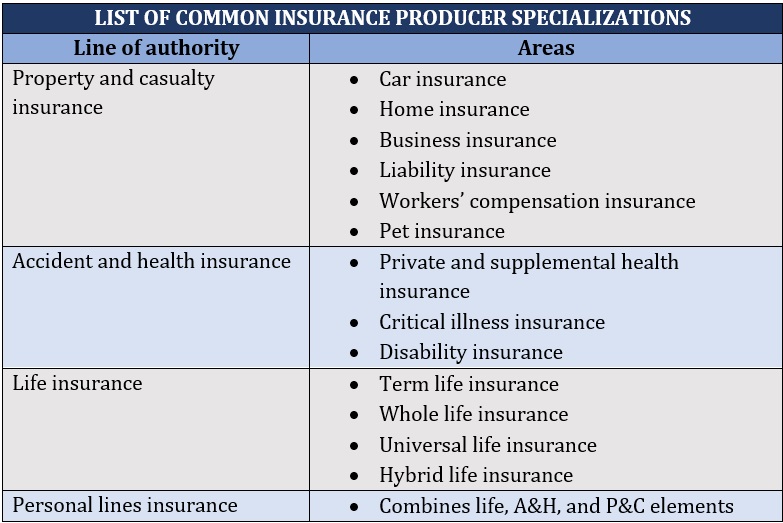
To obtain your permit in this field, prioritize completing a state-approved pre-licensing education program. This will provide you with the necessary foundation to understand regulations, coverages, and essential practices within the industry.
After finishing your coursework, promptly register for the licensing exam. Prepare thoroughly using practice materials and study guides tailored to the specific topics covered in the test. Familiarize yourself with state laws, ethical practices, and policy types.
Upon passing the examination, submit your application along with the necessary fees. Ensure that all documentation is complete, including proof of your completed education and examination success. Pay close attention to the fingerprinting requirement, as it is a vital part of the background check process.
Once granted your credential, maintain it by adhering to continuing education requirements. Stay informed about changes in regulations and market trends to enhance your professional proficiency.
Qualifications and Requirements for Obtaining a License
To acquire a certification in the field of coverage services, candidates must meet several criteria.
Age and Residency
- Must be at least 18 years old.
- Must be a resident of the state or have established a business presence.
Education
- A minimum of a high school diploma or equivalent is required.
- Completion of a pre-licensing educational program is necessary, typically consisting of 20 hours for each line of coverage.
Examinations
- Candidates must pass a state examination designed to test knowledge of local regulations, policies, and practices.
- Preparation courses are available through various training institutions.
Background Check
- A background check is mandatory, including fingerprinting.
- No felony convictions related to fraud or dishonesty will be accepted.
Application Process
- Submission of a completed application with payment of the requisite fees.
- Providing any additional documentation as requested by the regulatory authority.
Following these guidelines will ensure a smoother path to certification. Regular updates to state requirements are recommended to remain compliant.
Steps to Complete the Licensing Examination Process
Begin with enrolling in an approved pre-licensing course. A minimum of 20 hours of classroom instruction is typically required, covering relevant topics and regulations. Select a reputable provider to ensure thorough understanding.
After course completion, obtain a certificate of completion, which is necessary for testing eligibility. Review the state examination guidelines to confirm specific prerequisites and documentation required for registration.
Register for the Examination
Visit the official examination provider’s website to register. Provide personal information and submit the course completion certificate. Be mindful of deadlines, as registration may take time to process.
Sit for the Examination
Arrive at the designated testing location on time with required identification, such as a government-issued ID. Prepare for a range of questions that assess knowledge and comprehension of policies and regulations. Consider taking practice exams to familiarize yourself with the format.
After passing, you’ll receive instructions on how to proceed with obtaining your credentials. Further information can be found at http://californiacasualty.net/.
Continuing Education Obligations for License Renewal
Applicants must complete a total of 30 credit hours of continuing education courses every two years. At least 10 hours must focus on specific topics related to the field. The remaining hours can cover general subjects relevant to the profession.
Course Requirements
Ensure that courses taken are approved by the relevant authority. Courses can be completed online or in-person, offering flexibility for professionals. Verify the provider’s credentials before enrolling. Subjects such as ethics, claims handling, and risk management are commonly accepted.
Tracking and Reporting
Keep meticulous records of completed courses, including dates, hours earned, and certificates of completion. Submit proof of education along with your renewal application. Failure to meet these obligations may result in a delay or denial of renewal.
Plan ahead to avoid last-minute rushes. Consider scheduling courses at regular intervals throughout the licensing period. This proactive approach aids in meeting requirements without stress.
FAQ:
What are the primary requirements to obtain a California Property and Casualty Insurance License?
To obtain a California Property and Casualty Insurance License, applicants must meet several key requirements. First, they must be at least 18 years old and a resident of California or a designated employee of a licensed insurer. Next, prospective licensees need to complete a pre-licensing education course of 52 hours, covering property and casualty insurance topics. After completing the course, candidates must pass the California Property and Casualty Insurance Exam. Additionally, applicants must submit a fingerprinting request for a background check and pay the required licensing fees.
How long does it take to complete the licensing process for a Property and Casualty Insurance License in California?
The duration of the licensing process can vary based on individual circumstances. Completing the required 52-hour pre-licensing course typically takes about 1 to 2 weeks, depending on the chosen study format and pace. Afterward, scheduling and passing the state exam may take an additional few days to weeks depending on availability. The entire process, from course completion to receiving the license, can generally take anywhere from a few weeks to a couple of months, depending on the efficiency of the candidate in preparing for and scheduling the exam.
Can I work in the insurance industry without a license in California?
No, working in the insurance industry in California without a valid Property and Casualty Insurance License is not permitted. All individuals performing activities related to property and casualty insurance, such as selling policies, providing quotes, or advising clients, are required to hold an appropriate license. Engaging in insurance activities without a valid license can lead to penalties, including fines and legal repercussions. It’s essential for individuals to complete the licensing process to ensure compliance with state regulations.
What topics are covered in the pre-licensing education course for the California Property and Casualty Insurance License?
The pre-licensing education course for the California Property and Casualty Insurance License encompasses a broad range of topics crucial for understanding insurance principles and practices. Key subjects include property insurance fundamentals, types of policies, liability insurance, and the regulatory environment governing insurance in California. Additionally, the course covers risk management, underwriting processes, claims handling, and the role of agents and brokers. This comprehensive curriculum equips candidates with the knowledge necessary to succeed on the licensing exam and in their future insurance careers.
What should I expect during the California Property and Casualty Insurance Exam?
The California Property and Casualty Insurance Exam is designed to test your understanding of the concepts and laws related to property and casualty insurance. The exam consists of multiple-choice questions, typically totaling 150 items, which cover various topics from your pre-licensing course. Candidates have 2.5 hours to complete the exam. It is advisable to study thoroughly and become familiar with the exam format beforehand. A passing score is required to qualify for licensure, making it important to prepare effectively to ensure success.
Reviews
MysticRose
Could you explain why the guide seems to skip over the actual practical applications of the license? It’s great to have details about the process, but without real-life examples or scenarios, how am I supposed to understand how to use this knowledge effectively? Are we just supposed to take your word for it that this is all important? It feels a bit disconnected from the day-to-day reality of anyone trying to navigate the world of property and casualty insurance. Insights, please!
Michael Johnson
Getting a license is like preparing for a game—you know the rules, but the surprises are what keep it interesting.
Emma Davis
Is anyone else feeling overwhelmed by the never-ending requirements for this license? All the paperwork, exams, and constantly changing regulations—who knows if it’s even worth it? I can’t help but wonder if we’re just setting ourselves up for failure in a market that seems so unstable. Is anyone really finding success out there, or are we all just spinning our wheels? It feels like a daunting uphill battle with no clear reward in sight. What do you think?
SunshineGirl
Getting a California Property and Casualty Insurance License involves a few steps: meet prerequisites, pass the exam, and submit a background check.


