The Thrill of Anticipation
The experience of gambling is deeply rooted in human psychology, particularly in the thrill of anticipation. This sensation is heightened at casinos because players engage in games that offer immediate feedback, such as slot machines and card games. The uncertainty of the outcome generates a rush that many find intoxicating, making them more likely to continue playing. This anticipation can often lead players to perceive the possibility of winning as more probable than it actually is, creating a cycle of hope that can influence their betting behavior. Many online players are also interested in finding the best non Gamstop casinos to enhance their gaming experience.

This psychological phenomenon is also linked to the concept of reinforcement schedules. In casinos, the occasional wins serve as positive reinforcement, encouraging players to continue gambling. When individuals experience a win, even a minor one, they are more likely to increase their wagers, believing that their luck may continue. This cycle of betting and winning taps into the brain’s reward system, where dopamine is released, further fueling the desire to play.
The Illusion of Control
An essential aspect of gambling psychology is the illusion of control, where players believe they have the ability to influence the outcome of games of chance. This belief is particularly evident in games like poker, where skill and strategy can lead to success. However, even in games that are purely luck-based, such as roulette or slots, players may engage in behaviors that create a sense of control, such as selecting their own numbers or using specific betting patterns.
The illusion of control can lead players to overestimate their chances of winning, impacting their decision-making processes. This mindset can result in players making larger bets based on the belief that they can affect the game’s outcome. Understanding this phenomenon is crucial for casinos, as it drives the business model of games designed to create an environment where players feel empowered, even when their odds are purely stochastic.
The Role of Environment and Design
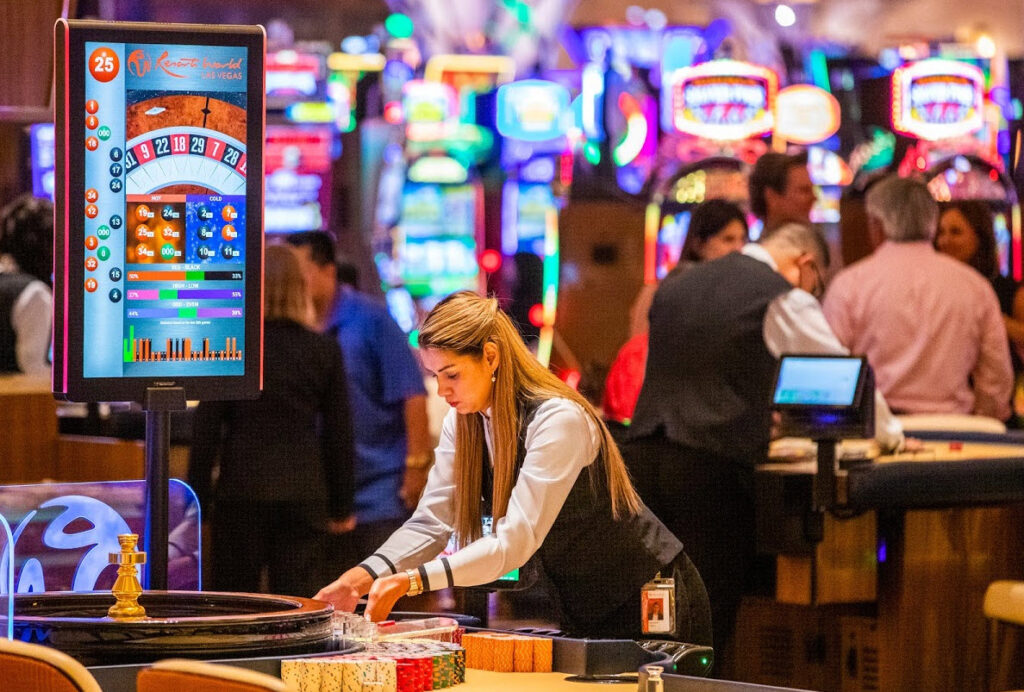
The design of a casino plays a significant role in influencing player behavior. From the layout of the gaming floor to the sounds and lights that accompany winning, every detail is carefully curated to keep players engaged. The lack of windows and clocks creates a timeless atmosphere, allowing players to lose track of time and potentially extend their gaming sessions.
Moreover, casinos often use bright colors, interactive displays, and celebratory sounds to enhance the overall experience. This sensory overload can lead to an emotional response that encourages players to continue gambling despite any losses. Consequently, the environment is a key factor in creating an immersive experience that can significantly impact gaming habits and decision-making processes.
The Social Aspect of Gambling
Gambling is inherently a social activity, and this social aspect can amplify the psychological factors at play. Players often enjoy the camaraderie that comes with participating in games with others, sharing in the excitement, and celebrating wins together. This social reinforcement can enhance one’s enjoyment and mask the risks associated with gambling.
Additionally, peer pressure may influence individuals to gamble more than they initially intended. In social settings, players might feel compelled to keep up with friends or join in on a game, leading to behavior that they might not have engaged in while alone. The social environment, therefore, can significantly impact a player’s psychology, leading to increased risks and more considerable financial implications.
Understanding Responsible Gambling
As enticing as the psychology behind winning at casinos can be, it’s essential to approach gambling responsibly. Organizations and casinos aim to provide a safe environment for players by promoting awareness around the psychological aspects of gambling. By understanding the psychological triggers that lead to excessive betting, players can better manage their gaming behaviors.
Ultimately, responsible gambling policies can help mitigate the risks associated with gambling. Many casinos offer resources, such as self-exclusion programs and educational materials, to assist players in recognizing the signs of problematic gambling. Awareness and education are crucial for fostering a healthy gambling environment, allowing players to enjoy the thrill of the casino while minimizing potential drawbacks.